One of Maricopa’s state representatives is hoping a new bill will help lower costs for cattle ranchers and beef consumers.
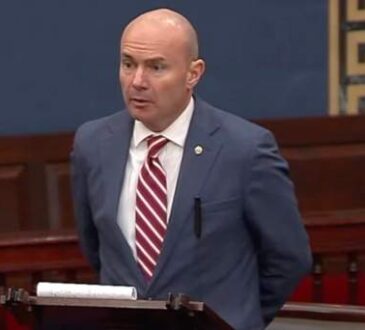
Rep. Chris Lopez (R-Casa Grande) yesterday introduced House Bill 2152, known as the “No Tax on Troughs” bill. The proposal would eliminate the state transaction privilege tax on fencing and watering products used on public and private grazing lands.
The exemption would apply to items such as fence lines and posts, storage tanks, water lines and drinking troughs. Those improvements help keep cattle safe and ensure reliable access to water.
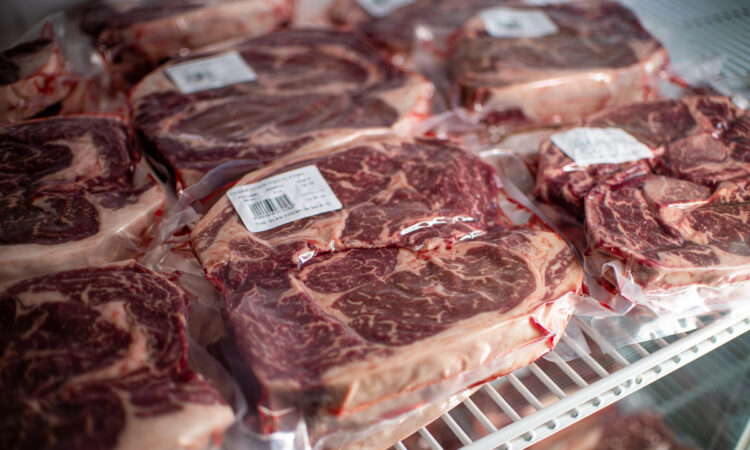
“Families are paying more for beef every time they check out at the grocery store,” Lopez said in a press release. “Ranchers are facing higher costs just to keep cattle fenced and hydrated, and Arizona is taxing those costs. That cost gets passed straight to consumers.”
From the retail side, local butcher Sam Wong said those price increases are already being felt.
Wong, owner of The Slab Premium Meats on Hathaway Avenue, said beef prices jumped sharply in 2025 compared with previous years.
“Off the top of my head, our meat increased from summer to now by about 15 to 20%,” Wong told InMaricopa on Thursday. “In about six months, that’s a big increase.”
In the past, Wong said, he typically saw price increases of about 5 to 10% spread out over an entire year, not over a matter of months.
Some of the recent increases, he suspects, may be tied to labor and supply shortages at slaughterhouses.
“It’s probably multiple things,” Wong said. “I think packers are not making the money they used to make, they’re not slaughtering as many heads, and that would cause an increase.”
Industry data supports that pressure. An October report from the Virginia-based Meat Institute found that while cattle producers are seeing record prices amid a supply shortage, meat packers are operating under negative profit margins. The report also noted that U.S. cattle inventory last year fell to its lowest level in nearly 75 years.
The situation leaves little relief for retailers or consumers.
“If the tax reduction helps lower costs for consumers, that’s for the best,” Wong said.