In 2025, Texas A&M AgriLife tackled some of the most pressing challenges in agriculture and life sciences head-on.
Through research safeguarding the food supply, education shaping future leaders, and service programs meeting Texans where they are, Texas A&M AgriLife delivered meaningful impact across the state and beyond.
This collection of stories and videos showcases how science, service and collaboration came together to improve lives, strengthen communities and advance agriculture in a rapidly changing world. Together, these stories reflect the land-grant mission in action — practical, responsive and built for what comes next.
Texas A&M AgriLife announces New World screwworm fact sheet


Texas A&M AgriLife experts released an updated fact sheet on the New World screwworm to help Texans understand this invasive insect, its potential impact on livestock and wildlife, and steps for prevention and reporting. With detections in Mexico, Texas A&M AgriLife Extension Service and Texas A&M AgriLife Research are working proactively to prepare Texas and the nation, as conservative estimates show the pest could cause billions in losses to cattle and the hunting/wildlife industry if it reestablishes in the U.S.
Brooke Rollins ’94 to lead U.S. Department of Agriculture

Brooke Rollins ’94, a former student of the College of Agriculture and Life Sciences, made history in 2025 as the first Texan and first Aggie confirmed as U.S. Secretary of Agriculture. A graduate of agricultural development and the university’s first female student body president, Rollins brings a lifelong commitment to agriculture and public service to her new role.
One year later: Highly pathogenic avian influenza in dairy cattle


Since confirming highly pathogenic avian influenza, H5N1, in dairy cattle in March 2024 — the first detection of its kind — the Texas A&M Veterinary Medical Diagnostic Laboratory, TVMDL, has conducted over 12,000 tests and continues nationwide surveillance. Through state-of-the-art diagnostic services, TVMDL remains at the forefront of protecting animal and human health while supporting federal programs and advancing research on the disease in non-avian species.
bAgriLife Research leads rice delphacid and hoja blanca virus studies
With rice delphacid and the hoja blanca virus threatening Southern U.S. rice, Texas A&M AgriLife scientists are working closely to slow disease transmission and reduce insect damage to plants. Through field, greenhouse and laboratory research — from mapping pest behavior to identifying viral drivers — they are developing new tools and guidance to protect yields and support producers ahead of 2026 planting.
Human behavior research drives dynamic agriculture production


Marco Palma, Ph.D., leads Responsive Agriculture research at the Texas A&M AgriLife Institute for Advancing Health Through Agriculture, merging agricultural science with technology and human behavior to build a consumer-driven food system. This work aims to improve health, sustainability and resilience by aligning production with nutrition and market needs across the entire supply chain.
Precision agriculture new frontier: Crop digital twins

Digital-twin technology is ushering in an era of prescriptive agriculture, helping farmers maximize harvests and achieve sustainability goals through data-driven decisions. At the Texas A&M AgriLife Research and Extension Center at Corpus Christi, AgriLife Research is at the forefront, combining remote sensing, big data and artificial intelligence to simulate and predict real-world crop production scenarios — an innovation that improves profitability and holds immense promise for agriculture worldwide.
Grow the Future: Empowering Texas Ag Teachers
The Department of Agricultural Leadership, Education and Communication is preparing the next generation of agricultural educators to meet a growing demand in rural communities. Graduate student Carter Burgin shares how hands-on teaching experiences and strong mentorship are helping future agriculture teachers inspire students and show the vital role agriculture plays in everyday life.
A dream to restore and steward a Texas ranch
Ranching for Lori and David Hessel is about more than cattle — it’s about caring for the land and building a lasting legacy. With support from AgriLife Extension and a dedication to sustainable practices, they transformed their ranch into a model of stewardship and resilience.
FarmHope expands mental health care and education to ag industry

FarmHope, a partnership between AgriLife Extension and the Texas A&M Health Telehealth Institute, offers free, confidential counseling and stress management support to Texas farmers, ranchers and their families. By pairing mental health care with farm and ranch succession planning education, the program helps rural communities overcome access barriers and stigma while addressing the unique challenges of agricultural life.
Texas A&M breaks ground on Aplin Center

The three-story, 211,000-square-foot Aplin Center — made possible by a $60 million gift from Buc-ee’s founder Arch “Beaver” Aplin III ’80 — will transform hospitality, retail and marketing education at Texas A&M. It will feature immersive learning labs for the College of Agriculture and Life Sciences and Mays Business School, supporting the Arch H. Aplin III ’80 Department of Hospitality, Hotel Management and Tourism, and stand as the largest mass timber project on a Texas university campus.
Research maps monarch migration along Texas highways
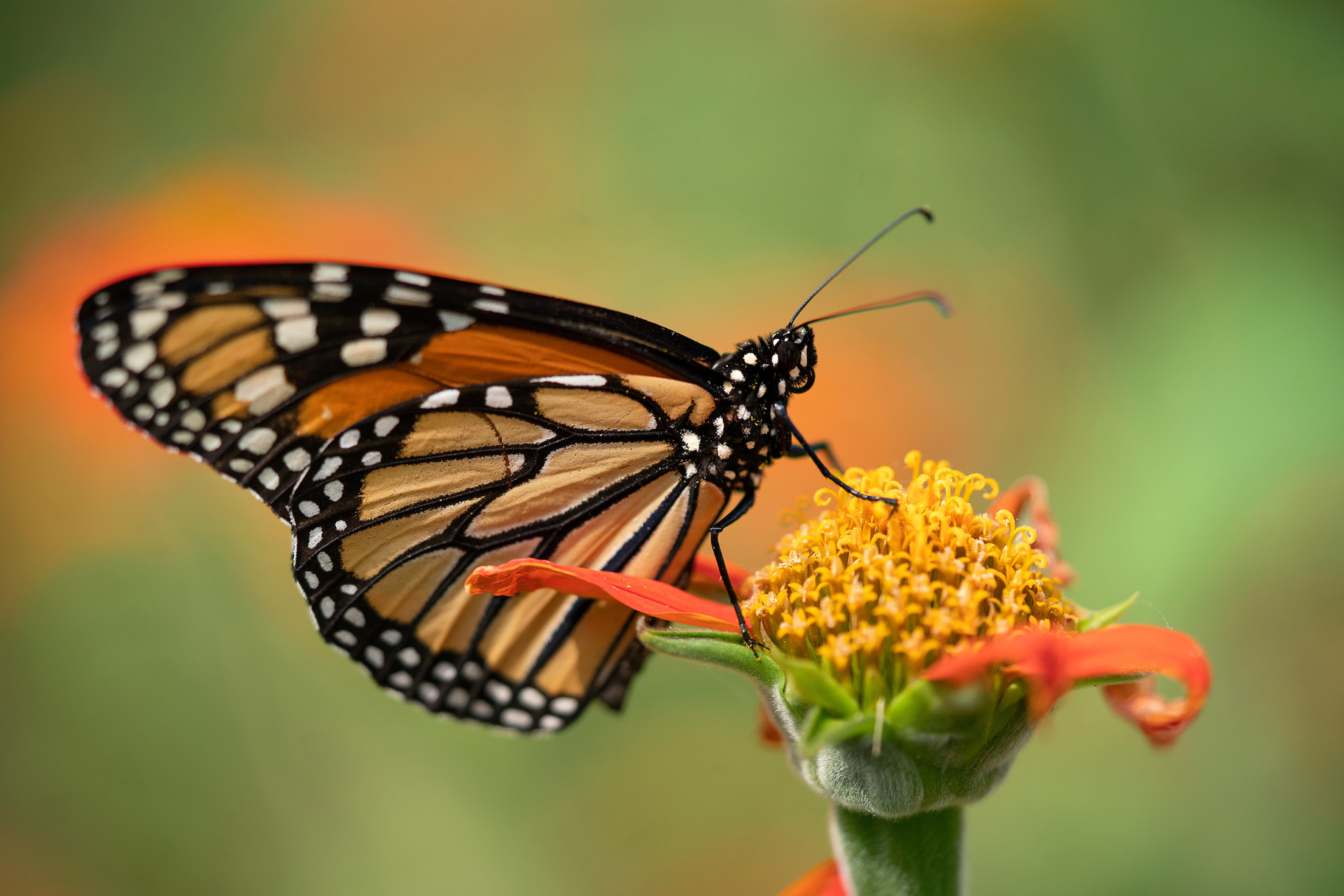

Each fall, millions of monarch butterflies migrate across Texas on their journey to Mexico, and Texas A&M AgriLife researchers in the Department of Entomology are studying how geography, wind and roadside habitat shape this remarkable event. In partnership with Texas Department of Transportation and the Texas A&M Transportation Institute, their work is guiding conservation strategies like flight diverters and vegetation management to protect monarchs and support recovery of populations that have declined by more than 80% since 1990.
Mass timber takes root in Texas architecture


Texas A&M University researchers and architects are championing cross-laminated timber, an engineered wood material that combines strength, sustainability and aesthetic appeal. This innovation is transforming the state’s forest economy, reducing carbon emissions and positioning Texas as a national leader in sustainable design and construction.