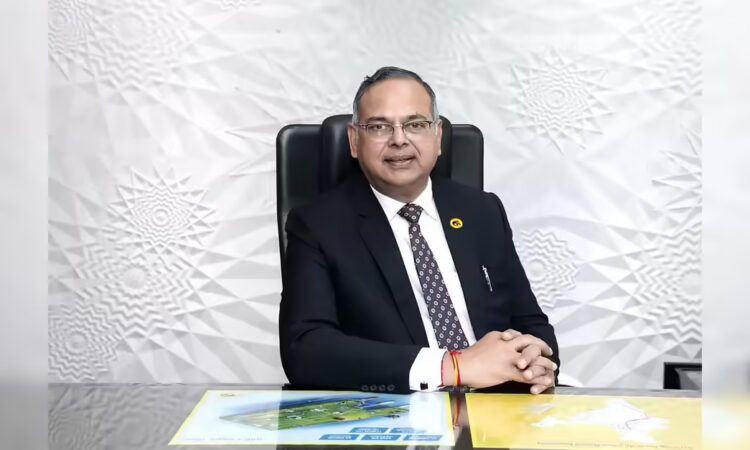
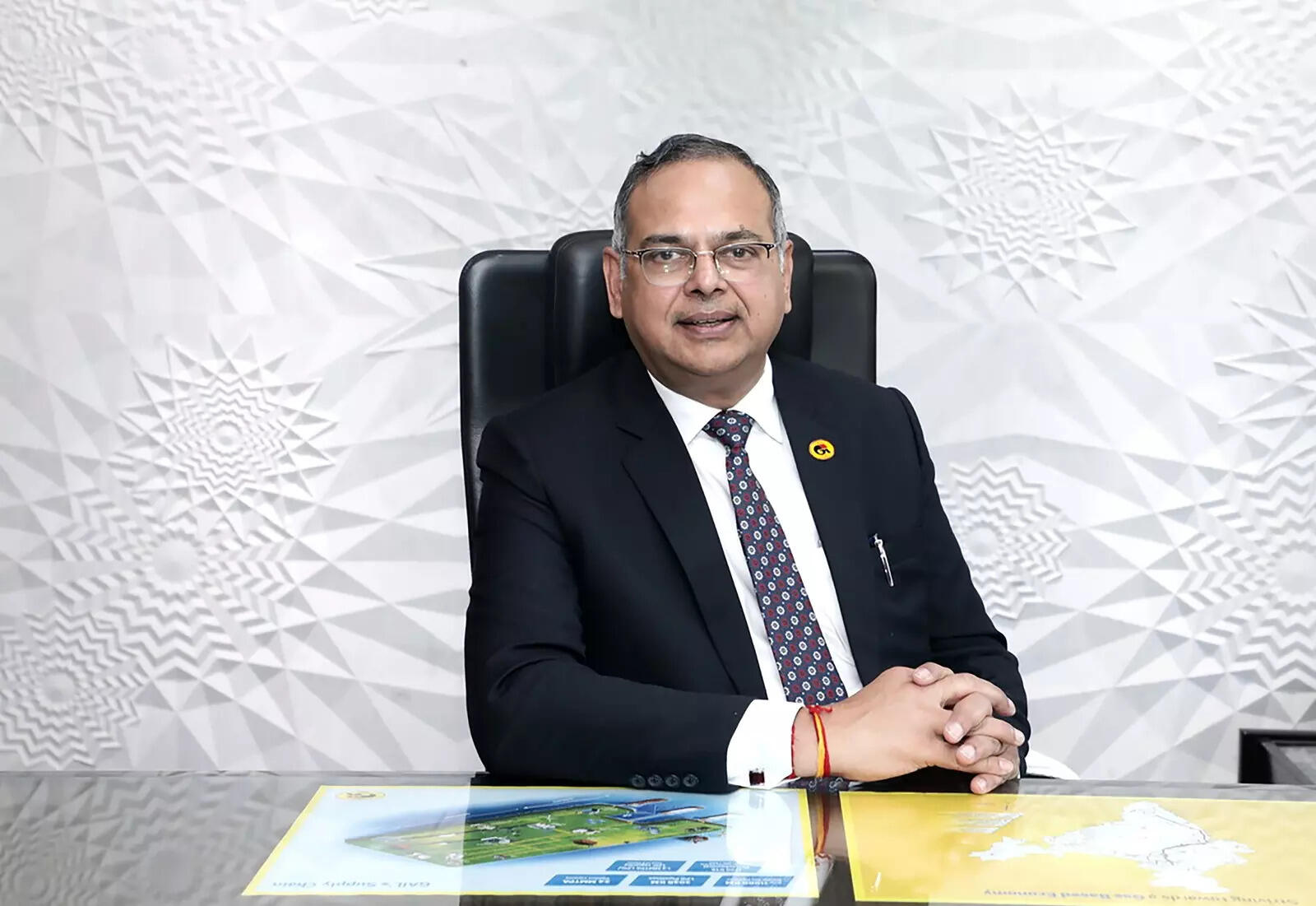
Natural gas should no longer be viewed as a transition fuel but as a permanent, “destination fuel” for India’s energy future, GAIL (India) Chairman and Managing Director Sandeep Kumar Gupta said, arguing that the country’s growth ambitions will structurally drive long-term gas demand despite expectations that conventional fossil fuels would decline.
Speaking at India Energy Week 2026 in Goa, Gupta said India’s energy consumption will rise sharply alongside economic growth, creating room for all fuels to expand. “I do not believe that it is a transition fuel anymore… I believe this is the destination fuel,” he said, noting that India alone is expected to account for about 35 per cent of global energy growth in the coming years.
While acknowledging that natural gas consumption has not grown at the pace policymakers would like, Gupta said the slowdown is primarily due to pricing pressures rather than policy uncertainty. He pointed to elevated global gas prices following the Russia-Ukraine war as a key deterrent for new consumers, particularly in price-sensitive sectors.
“Pricing is the main concern,” Gupta said, adding that policy constraints are relatively limited. He argued that the inclusion of natural gas under the Goods and Services Tax (GST) regime—once the notified date is announced—could significantly boost demand by eliminating the cascading tax structure. GST coverage would also remove the 14 per cent excise duty on CNG and restore the input tax credit chain for end consumers, providing a major policy push for gas adoption.
LNG prices to normalise
Gupta expressed confidence that global LNG prices will normalise over the medium term as new supply comes on stream. He cited expanding LNG capacities in the US, increased supplies from Qatar, and upcoming projects in Argentina, Canada and Alaska, which he said could materialise over the next four to five years.
“There will be ample supply of LNG in the world, and the prices will definitely normalise,” he said, adding that this would support a strong rebound in LNG consumption in India.
In city gas distribution (CGD), currently the fastest-growing segment for natural gas, Gupta flagged delays and high charges for permissions to lay infrastructure in urban areas as a bottleneck. He said GAIL is engaging with state governments to address these issues and accelerate rollout.
Diversifying energy mix
On domestic energy security, Gupta stressed the importance of new gas discoveries, aligning with the Prime Minister’s call to move from energy security to energy independence. With about 50 per cent of LNG currently imported, he said developing indigenous resources is critical to reducing foreign exchange outgo.
Addressing hydrogen readiness, Gupta said blending green hydrogen into natural gas pipelines does not yet make economic sense, given current production costs of around $4 per kg. He added that as costs fall and safety standards evolve, GAIL’s pipeline network would be ready to accommodate hydrogen in the future.
On the government’s target to raise gas’s share in the energy mix from 6 per cent to 15 per cent, Gupta called it optimistic but achievable with the right policy support, including GST inclusion and reforms to ensure gas-based power is picked up in the merit order dispatch system.
Gupta also reiterated GAIL’s dual role as an infrastructure enabler and market shaper, saying pipeline expansion remains central to the company’s strategy, even as it seeks regulatory revisions on pipeline tariffs filed with the PNGRB.