What is Essential Commodities Act? Govt invokes new rules to prioritise LPG, CNG supply – Business News
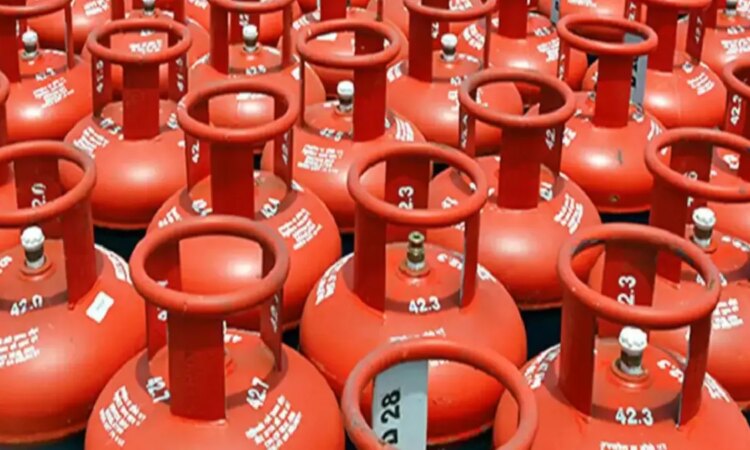
Amid the ongoing Iran war and its impact on the supply of gas and energy supply in India the Union government has invoked the Essential Commodities Act (ECA). It is being done to prioritise the availability of natural gas for households and transport, amid widespread concerns over disruptions caused by the shutdown of the Strait of Hormuz.
Under an order issued by the Ministry of Petroleum and Natural Gas (MoPNG), supply will now be prioritised for domestic piped natural gas (PNG), compressed natural gas (CNG), which is used in vehicles, and liquefied petroleum gas (LPG) production. As per media reports, the move is in motion to ensure an uninterrupted supply for households and transport, even if the supplies tighten.
LPG and household gas get top priority
The notification places household fuel needs at the top of the allocation hierarchy. Natural gas supply to domestic PNG networks, CNG for transport, LPG production, and pipeline operational requirements will be treated as priority sectors and maintained at 100% of their average gas consumption over the past six months, subject to operational availability.
To support LPG output, the government has also directed refineries and petrochemical units to maximise LPG production and divert hydrocarbon streams such as propane and butane toward the LPG pool instead of other industrial uses.
Earlier orders have also directed oil marketing companies, including IndianOil, Hindustan Petroleum and Bharat Petroleum, which supply LPG to about 99% of Indian households, to prioritise propane and butane for LPG production and avoid diverting them to petrochemical manufacturing, The Hindu reported.
Fertiliser and industry to receive lower supply
While households and transport are being prioritised, other sectors will receive reduced allocations. As per the notification, Fertiliser plants will receive around 70% of their average gas consumption over the past six months, while tea estates, manufacturers and other industrial users connected to the national gas grid will receive about 80% of their typical supply, subject to availability.
City gas distribution companies have also been instructed to ensure that commercial and industrial consumers connected through their networks receive roughly 80% of their past consumption levels.
Refineries are expected to absorb part of the supply shock as well. Gas allocation to refineries may be reduced to around 65% of their average consumption to help maintain supplies for priority sectors.
How the government will manage gas allocation
The government has also put in place a mechanism to manage the reallocation of gas. State-run GAIL, in coordination with the Petroleum Planning and Analysis Cell (PPAC), will oversee natural gas supply adjustments across sectors. If gas is diverted from non-priority users to priority segments such as household fuel, PPAC will determine a pooled price for the diverted volumes.
Companies receiving the reallocated gas will have to formally accept the pooled price and agree not to challenge the arrangement legally, the government notification said. Producers, importers, transporters and distributors of natural gas, which includes liquefied natural gas (LNG) and regasified LNG, have also been directed to provide detailed data on production, imports, stocks, allocation and consumption to the government.
What is the Essential Commodities Act?
The Essential Commodities Act, 1955, gives the government powers to regulate the production, supply and distribution of critical goods in order to prevent shortages, hoarding or price spikes.
Historically, the law has been used primarily to stabilise food markets and maintain supplies of staples. According to The Hindu, the Centre invoked it during the Covid-19 lockdown in 2020 to prevent hoarding and ensure availability of essential goods, capped sugar exports in 2022, monitored tur dal stocks the same year, imposed wheat stock limits in 2023, and again tightened wheat stock limits in August 2025 to control rising prices.
In 2020, Parliament amended the law to limit the government’s ability to impose stock limits on agricultural products except under extraordinary conditions such as war, famine, natural disasters or sharp price rises, the Hindu report added. However, the Act still allows the Centre to intervene in essential commodities, including energy products, during supply disruptions, as per the Hindu report.
Why the government invoked it now?
By invoking the Essential Commodities Act, the government can temporarily redirect resources toward priority sectors such as households and transport, ensuring that cooking gas and CNG remain available even if supplies tighten. The order has come into effect immediately and will remain in force until further government instructions, according to the notification.