Global energy markets sit in uncertainty following this month’s U.S.-Israel air strikes on the Iranian regime. The price of gas jumped to its highest levels in recent years, as much of the world still relies on Middle Eastern oil to fuel transportation. President Trump insists the short term pain is worth it for the security risk.
When geopolitical tensions flare, energy markets follow — and countries are reminded how vulnerable they remain to supply disruptions. The United States is in a position to change that dynamic through liquefied natural gas exports. Expanding America’s gas export capacity can meet the moment if lawmakers address critical bottlenecks in infrastructure and regulatory processes.
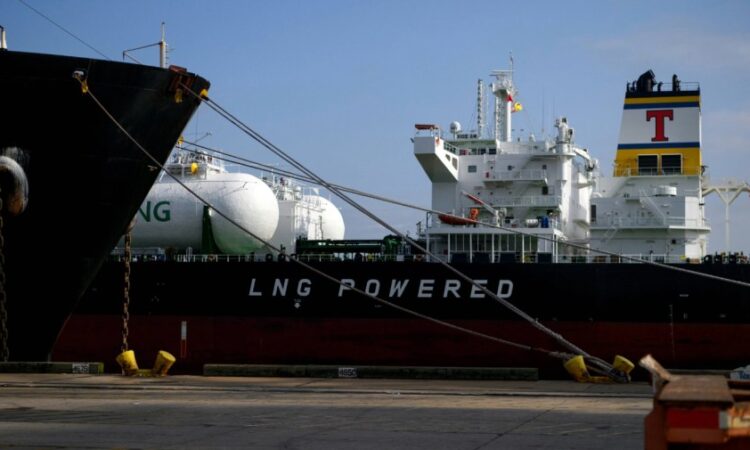
A decade ago, the United States shipped its first liquefied natural gas export cargo from the Gulf Coast. At the time, the emerging industry would not have been able to meet a surge in international energy demand like the one we are seeing today. Countries across Europe first turned to the U.S. for gas during the early stages of Russia’s invasion of Ukraine. And although exports doubled during that time, the industry continued to face regulatory constraints as the Biden administration paused approvals for new gas export facilities.
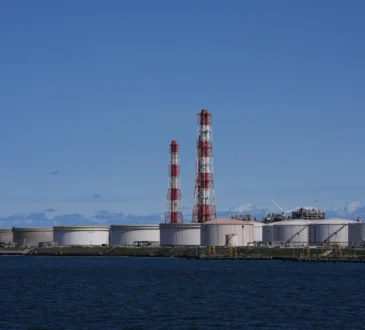
Today, however, the U.S. is the world’s largest liquefied natural gas supplier. With the Trump administration approving more projects and tackling regulatory barriers, gas exports have surged. There are now eight export facilities in the U.S., primarily along the Gulf Coast. The industry has generated more than $54 billion in federal and state tax revenue and supported an average of 273,000 American jobs.
It’s only likely to grow, with the number of jobs expected to double in the next two decades. But the liquefied natural gas industry still faces a threat from America’s sclerotic regulatory process and outdated infrastructure. It’s time to expedite permitting timelines and invest in new pipelines, liquefaction plants and other construction needed for liquefied natural gas supply chains.
Private industry is ready to build the facilities needed to produce liquefied natural gas and sell it across the globe. Yet in states across the country, permitting delays and legal uncertainty continue to slow projects. Last year in Louisiana, the company Commonwealth LNG had its permitting temporarily revoked following an activist legal challenge. In Alaska, a long-delayed gas project finally achieved approval after being under federal review since 2017.
Political drama should not slow down these critical projects. Much of the red tape threatening them is not the fault of local environmentalists or elected officials, but rather the complicated processes they must operate within. Legislation like Rep. August Pfluger’s (R-Texas) Unlocking Our Domestic LNG Potential Act, along with broader reforms to the National Environmental Policy Act, could make significant progress toward streamlining the regulatory system. States should also consider ways to reduce the heavy economic burden that prolonged litigation places on their energy industries.
Likewise, state and federal governments will need to consider new infrastructure investment with liquefied natural gas in mind. This energy source is reshaping global markets, diversifying supply chains and strengthening national security. In a world defined by geopolitical competition, energy leadership is strategic leverage.
If the U.S. slows its gas expansion, other producers will step in to meet global demand — we will be handing greater influence to countries that do not share our interests or values. Policymakers should instead ensure our regulatory and infrastructure systems allow the industry to keep growing.
In an unstable world, American energy leadership is more than an economic opportunity. It is a strategic advantage.
Sam Raus is the David Boaz Resident Writing Fellow at Young Voices and a public relations professional.
Copyright 2026 Nexstar Media, Inc. All rights reserved. This material may not be published, broadcast, rewritten, or redistributed.
For the latest news, weather, sports, and streaming video, head to The Hill.