silver price today: Why is gold price down by 3% and silver by 4%, and will precious metals continue to nosedive or bounce back again? Gold, silver fall, analysts insights, market outlook explained. Here’s what should investors do now
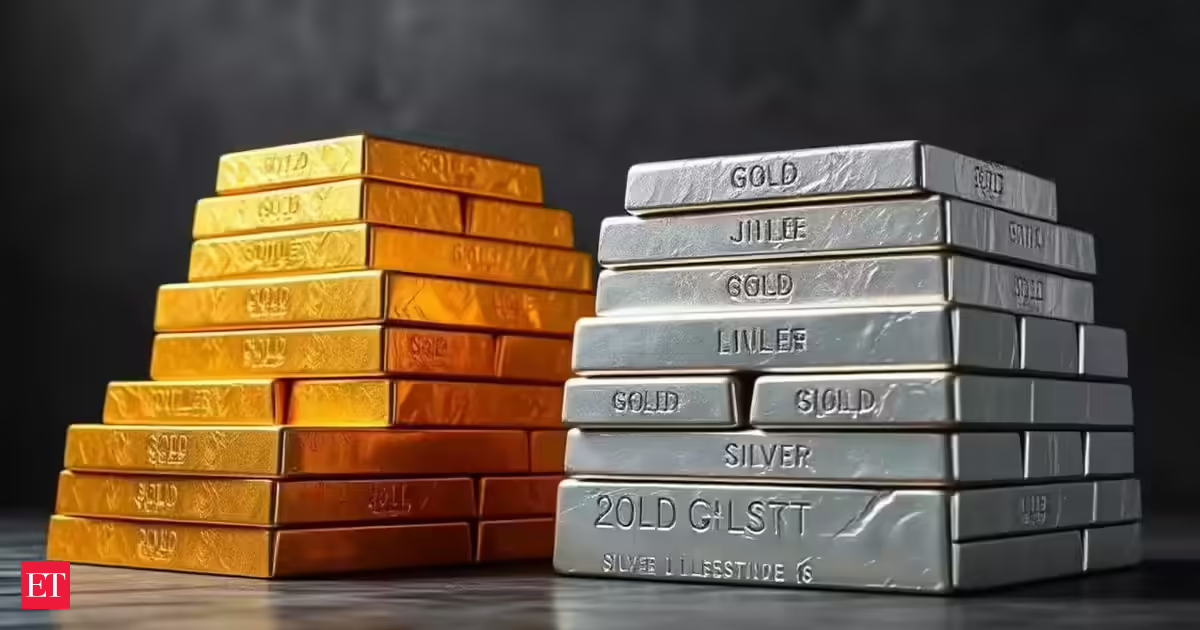
Why is gold price down by 3% and silver by 4%, and will precious metals continue to nosedive or bounce back again?
Gold and silver prices declined due to multiple global factors acting at the same time. A stronger U.S. dollar reduced buying interest from international investors, while rising oil prices increased inflation concerns. Expectations that interest rates will remain steady limited demand for non-yielding assets like gold. These combined pressures pushed prices lower, even as geopolitical tensions continued to support some safe-haven demand.
Why is gold price down by 3% and silver by 4%?
Gold and silver dropped mainly because the U.S. dollar gained strength, making metals more expensive for other currency holders. At the same time, higher oil prices raised inflation concerns, which reduced expectations of interest rate cuts. Since gold and silver do not offer interest returns, investors shifted toward yield-based assets, leading to a fall in prices across the metals market.
Gold and silver fall explained
Spot gold fell 3.2% to $4,844.20 per ounce during U.S. trading hours. It touched its lowest level since February 6 earlier in the session. U.S. gold futures for April delivery also dropped 3.2% to $4,845.50. The U.S. dollar moved higher during the same period. A stronger dollar makes gold expensive for buyers using other currencies. This reduces demand in global markets. As a result, prices move lower.
Silver also followed the trend. Spot silver dropped 4.2% to $75.93 per ounce. Other metals also declined. Platinum fell 4.5% to $2,028.12, while palladium lost 4.7% to $1,526.20. The fall across metals shows a broader shift in market sentiment.

Inflation fears and war impact market direction
Rising oil prices linked to the ongoing conflict are increasing inflation pressure. Brent crude remained above $100 per barrel. Higher energy costs are expected to push overall prices higher in the economy.
The conflict has expanded, with strikes reported in central Beirut. Damage to infrastructure and continued escalation are keeping markets uncertain. Investors are watching the situation closely as it affects supply chains and global costs.Higher inflation reduces the chances of interest rate cuts. This creates pressure on gold because it does not offer interest returns. Even though gold is considered a safe-haven asset, other factors are limiting its gains.
Federal Reserve outlook and investor sentiment
The U.S. Federal Reserve is expected to keep interest rates steady. Policymakers are also expected to review the impact of the ongoing conflict on inflation and growth. Recent data showed that U.S. producer prices increased more than expected in February. This signals that inflation may remain high. If rates stay high, gold may continue to face pressure.
Market experts note that demand for safe assets remains present. However, rising rates and strong currency movements are limiting price recovery. Investors are now waiting for central bank signals and geopolitical developments to decide future direction.
Will precious metals continue to nosedive or bounce back again?
Future price movement depends on inflation trends, central bank policy, and global conflict. If interest rates remain high and inflation rises further, metals may stay under pressure. However, continued geopolitical tension and economic uncertainty could support a recovery. Markets are likely to remain volatile as investors respond to policy signals and global developments.
Analysts insights and market outlook
Analysts indicate that safe-haven demand for gold still exists, but it is being outweighed by strong macroeconomic factors. Rising energy costs are expected to keep inflation elevated, which may prevent rate cuts. This outlook supports a stronger dollar environment, which is negative for metals. Experts suggest that price direction will depend on how central banks respond to inflation and geopolitical risks in the coming weeks.
What should investors do now?
Investors are advised to monitor interest rate decisions, inflation data, and geopolitical updates before making moves. Diversification remains important during uncertain periods. Some investors may wait for price stability before entering the market, while others may consider gradual buying strategies. Close tracking of currency movement and commodity trends can help in making informed decisions.
FAQs
Q1. Why is gold price down by 3% and silver by 4% today?
Gold and silver prices fell due to a stronger U.S. dollar, rising oil prices, and expectations of steady interest rates, which reduced demand for non-yielding assets like precious metals.
Q2. Will precious metals continue to nosedive or bounce back again?
Future movement depends on inflation trends, Federal Reserve decisions, and geopolitical developments. If rates remain high and inflation rises, prices may stay under pressure before any recovery.