
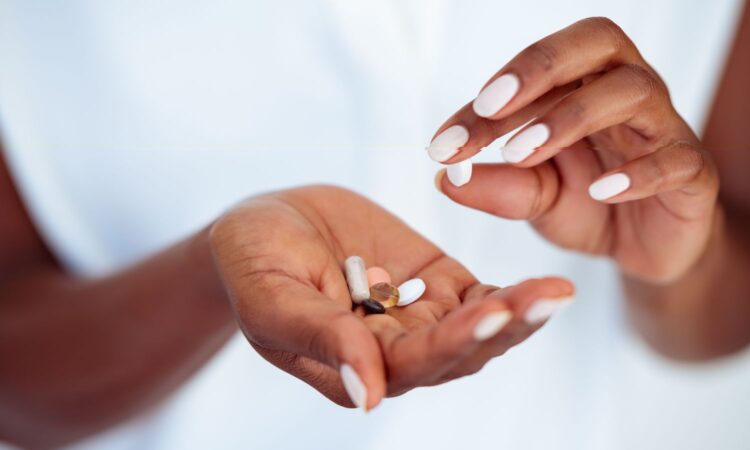
Vitamins C, A, and B, as well as the amino acid l-lysine, are supplements that can be taken with iron to improve energy and reduce tiredness and fatigue. These supplements raise blood iron levels, increase hemoglobin production, enhance oxygen delivery, and boost energy levels.
1. Vitamin C
Vitamin C doesn’t directly affect the release of energy from iron. It helps the body to absorb iron for oxygen transport and energy production. A vitamin C deficiency can reduce iron absorption, ultimately leading to low energy levels.
Taking vitamin C along with foods rich in iron or iron supplements can enhance the absorption of iron in the body. Vitamin C can create a more acidic environment in the stomach and prevent the oxidation of ferrous iron to ferric iron. Ferrous iron is more easily absorbed than ferric iron.
Therefore, improved iron absorption increases iron stores in the body, which are essential for optimal energy production.
You can take iron supplements on an empty stomach with a glass of a vitamin C-rich drink to get maximum absorption.
2. B Vitamin Complex
B vitamins, particularly B6, B9, and B12, are essential for iron metabolism and absorption. Vitamin B complex supplements help the body use iron more efficiently and support the production of red blood cells:
- Vitamin B6 helps the body make heme, which is an important part of hemoglobin.
- Vitamin B9 is essential for red blood cell production.
- Riboflavin helps the body absorb iron.
B-complex vitamins aid cellular energy production. A B vitamin deficiency can lead to iron deficiency anemia. It reduces blood flow and oxygen delivery to the muscle, impairing persistence and decreasing energy.
3. Vitamin A
Vitamin A helps the body use iron, ensuring your cells have the oxygen they need to produce energy.
Vitamin A supports iron metabolism through a coordinated process:
- Mobilizing stored iron by releasing it from the liver and spleen into the bloodstream and bone marrow. A vitamin A deficiency can lead to decreased release of iron from these storage organs.
- Facilitating red blood cell and hemoglobin production through vitamin A’s active form, retinoic acid. This helps support oxygen and energy production.
- Regulating the hormone hepcidin, which controls the release of iron. High hepcidin levels can prevent iron absorption from the gut and block its release in the body.
Prolonged vitamin A supplementation carries a risk of toxicity. A balanced diet rich in beta-carotene-rich foods, such as carrots, sweet potatoes, spinach, and kale, is a better choice.
4. L-Lysine
L-lysine is an essential amino acid that may improve levels of ferritin, a protein that stores iron, when taken with iron.
Similar to vitamin C, amino acids such as lysine can also chelate iron, thereby improving its solubility and uptake. It facilitates the body’s ability to absorb iron from the gut and assists in the transfer and synthesis of iron in the liver.
How Iron Supports Energy Levels
Iron is required for the production of hemoglobin, an essential ingredient in red blood cells. Hemoglobin transports oxygen from the lungs to the rest of the organs, supporting metabolism and the release of energy from cells.
An iron deficiency can develop into anemia, which means that you aren’t making enough red blood cells to carry oxygen around your body organs and tissues. It results in fatigue, breathlessness, and tiredness, and may cause palpitations (noticeable heartbeats).
Iron is absorbed from the foods or supplements we eat. There are two types of iron:
- Heme iron is present in animal-based foods such as meat, seafood, and poultry
- Non-heme iron is present in plant-based foods, including beans and green vegetables such as spinach
Animal-based iron is readily absorbed, while plant-based non-heme iron is less readily available. Iron absorption occurs primarily in the intestines (duodenum and upper jejunum). It is best absorbed in its ferrous form.
:max_bytes(150000):strip_icc():format(webp)/20210814_171303-4947aeb853b7494ba9f67537baae0cc2.jpg)


