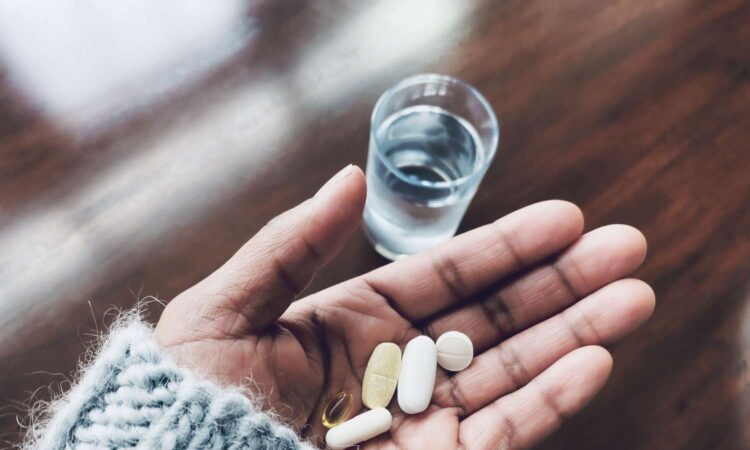
About 1 in 5 adults worldwide report experiencing fatigue that affects their daily activities, work performance, and overall quality of life. While vitamin D may help improve energy levels for some people, several supplements that are not vitamin D may also help you feel more energized.
1. CoQ10
Coenzyme Q10 (CoQ10) is a compound the body naturally produces that supports cell growth and protects cells from damage. It helps mitochondria produce adenosine triphosphate (ATP), which is the primary energy source cells use to function.
Several factors can lower CoQ10 levels and may contribute to fatigue, including:
- Aging
- Heart disease
- Neurodegenerative disorders, such as Alzheimer’s disease
- Statin medications (drugs that lower cholesterol)
- Type 2 diabetes
Research suggests CoQ10 supplementation may help improve energy and reduce fatigue in certain groups, including people with chronic fatigue syndrome. Some studies also suggest CoQ10 may improve exercise performance by helping muscles produce energy more efficiently.
CoQ10 is available in capsule, tablet, liquid, and softgel forms.
2. Vitamin B12
Vitamin B12 is a water-soluble vitamin that supports red blood cell formation, nerve function, and DNA production. It also helps the body convert food into usable energy.
Vitamin B12 is found in animal-based foods, including meat, poultry, fish, eggs, and dairy products. Older adults, vegetarians, vegans, and people with digestive disorders such as celiac disease have a higher risk of vitamin B12 deficiency.
Low vitamin B12 levels may cause:
- Fatigue
- Irritability
- Shortness of breath
- Weakness
Studies show that supplementing with vitamin B12 can improve energy levels and reduce fatigue in people with a deficiency. However, taking extra vitamin B12 may not improve energy in people who already have adequate levels.
Vitamin B12 supplements are available over the counter in tablet, capsule, and sublingual (under-the-tongue) lozenge forms. Healthcare providers may recommend vitamin B12 injections for people with severe deficiency or conditions that interfere with nutrient absorption.
3. Iron
Iron is a mineral your body uses to make hemoglobin, a protein in red blood cells that carries oxygen from your lungs to tissues throughout your body. Iron also supports muscle function and helps cells produce energy. Iron is naturally found in many foods, including red meat and poultry, seafood, leafy green vegetables, and beans and legumes.
Without enough iron, your body cannot deliver sufficient oxygen to cells, which can cause:
- Difficulty concentrating
- Fatigue and low energy levels
- Reduced exercise tolerance
Over time, untreated iron deficiency may progress to iron deficiency anemia, a condition in which the body does not produce enough healthy red blood cells.
Research shows that iron supplementation can improve energy and reduce fatigue in people with low iron levels. Supplements provide the greatest benefit for people with iron deficiency anemia. However, some studies suggest they may also improve energy levels in adults who have low iron but normal red blood cell counts.
Iron supplements are available over the counter in tablets, capsules, and liquid forms.
4. Ginseng
Ginseng is an herb with mild stimulant properties that may help reduce fatigue and support energy levels. It contains compounds called ginsenosides that may help regulate inflammation, support immune function, and improve physical and mental performance.
Research suggests ginseng supplementation may:
- Boost energy levels in people with general fatigue
- Improve attention and memory-related tasks
- Reduce fatigue in people with chronic illness
Ginseng is available in capsules, teas, powders, and liquid extracts. It is also commonly included in some energy drinks and herbal energy blends.
5. Ashwagandha
Ashwagandha is an adaptogenic herb used in Ayurvedic medicine. Adaptogens help the body manage stress. Chronic stress can raise cortisol levels, which may contribute to fatigue and low energy. Ashwagandha may help regulate cortisol and support stress resilience, which may benefit people whose fatigue is linked to long-term stress.
Research exploring the effects of ashwagandha on energy suggests it may:
- Enhance physical performance and endurance
- Improve sleep quality, which can support energy levels
- Increase energy levels in people experiencing stress
Ashwagandha supplements are commonly available in capsule, powder, and liquid extract forms.
6. Guarana
Guarana is a plant native to the Amazon basin. It contains up to four times as much caffeine as coffee beans, along with antioxidants and plant compounds that may boost alertness, reduce mental fatigue, and offer sustained energy.
Research suggests guarana may:
- Enhance exercise performance
- Improve attention, focus, and reaction time
- Reduce mental fatigue
Guarana is available in capsule and powder forms and is commonly added to energy drinks.
Safety Considerations
Supplements may help you feel more energized in certain situations, but they do not replace healthy habits such as balanced nutrition, regular exercise, or sufficient sleep.
Talk with a healthcare provider before starting a new supplement, especially if you have a medical condition or take medications. A healthcare provider may order blood tests to test for nutrient deficiencies and recommend supplements if you are low in iron or vitamin B12.
To use supplements safely:
- Avoid combining multiple stimulant-containing supplements, which may increase the risk of side effects.
- Choose supplements tested by third-party organizations such as USP, NSF, or ConsumerLab.
- Follow recommended dosing instructions on the product label or from your healthcare provider.