Key Takeaways
- Consumer prices rose 0.9% in a single month in March as the Iran war drove up gas prices.
- Energy commodities increased the most in one month since at least 1957 when the government began keeping track.
- Gas prices could ease in coming months if the Strait of Hormuz reopens.
Get personalized, AI-powered answers built on 27+ years of trusted expertise.
Consumer prices rose at their fastest pace in years in March as the Iran war pushed up energy costs the most in any single month in history.
Consumer prices rose 0.9% in March from February, largely due to the spike in gas prices caused by the Iran war, the Bureau of Labor Statistics said Friday. It was the largest one-month increase since the post-pandemic burst of inflation in 2022.
That brought the Consumer Price Index to a 3.3% increase over 12 months, up sharply from a 2.4% annual increase in February and the most since 2024. The increase was in line with forecasters’ expectations, according to a survey of economists by Dow Jones Newswires and The Wall Street Journal.
The magnitude of the gas price hikes was unprecedented, even compared to previous energy crises. The price of energy commodities rose 21.3% in March, the largest one-month increase since at least 1957.
The CPI report highlighted the swift and significant impact of the war on household budgets. The closure of the Strait of Hormuz between Iran and Oman has restricted the flow of oil from Persian Gulf nations, leading to a surge in crude oil prices that has pulled gas and diesel prices along with them.
What This Means For The Economy
Whether the surge in gas prices is a temporary blip or leads to broader inflation and a serious drag on the economy depends on how long the Strait of Hormuz remains closed: the resumption of normal tanker traffic would push down oil prices and, by extension, fuel costs.
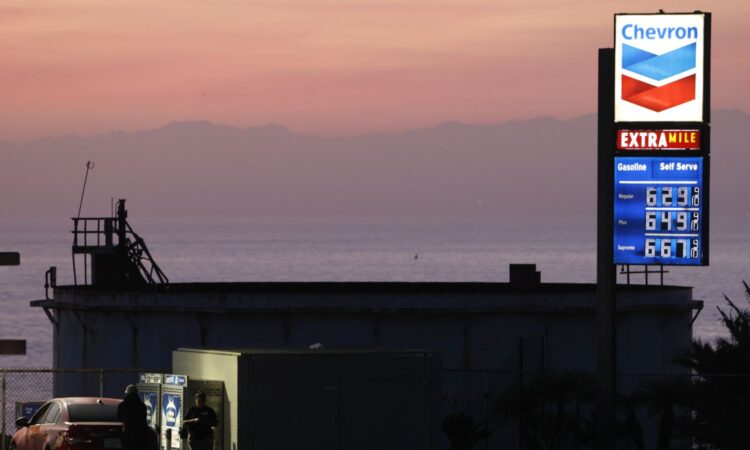
Average prices for gasoline and diesel have risen more than $1 since the war began, although the ongoing ceasefire has raised hopes that the strait could reopen and prices could ease in the coming days.
Core inflation, which excludes volatile food and energy prices, rose a more subdued 2.6% over the year, up from 2.5% in March and below expectations of a 2.7% increase.
Economists view core prices as a better predictor of the overall inflation trajectory, since food and gas prices can rise and fall dramatically for reasons unrelated to longer-term trends. So far, the high gas prices haven’t led to a surge in core prices, although that could change as higher transportation costs are passed along through the supply chain.
“This won’t make consumers happy (as obviously they are buying groceries and filling up the tanks of their cars), but should give the economy some room to absorb the higher energy price shock,” Chris Zaccarelli, chief investment officer at Northlight Asset Management, wrote in a commentary.
Indeed, household budgets are being squeezed by the gas price hike, especially for those on lower incomes, who must devote a larger share of their money to fuel. Many people will likely cut back on spending in other areas to afford gas, economists said. The lower demand could subdue inflation for some non-gasoline products in the coming months, Bernard Yaros, lead U.S. economist at Oxford Economics, wrote in a commentary.
The hot inflation report has implications for borrowing costs on all kinds of consumer loans. The Federal Reserve, anticipating an uptick in gas prices from the Iran war, has scaled back expectations that it will cut its key interest rate and lower borrowing costs later in the year.
The Fed has kept the fed funds rate at a higher-than-usual level to discourage spending and stifle inflation. That could change if the Iran ceasefire becomes a lasting peace and commerce returns to normal.
“A key wildcard in the outlook for both inflation and monetary policy is the duration and intensity of the Iran war, which still hasn’t been resolved by the tenuous ceasefire,” Yaros wrote.
Update, April 10, 2026—This article has been updated after publication with additional data and commentary from experts. It was first published April 10, 2026.