gold price today: Why is gold price heading for biggest monthly drop in over 17 years, and will gold, silver and other precious metals continue to witness wild price movements? Analysts insights, market outlook and what should investors do now
Why is gold price heading for biggest monthly drop in over 17 years, and will gold and silver continue to witness wild price movements?
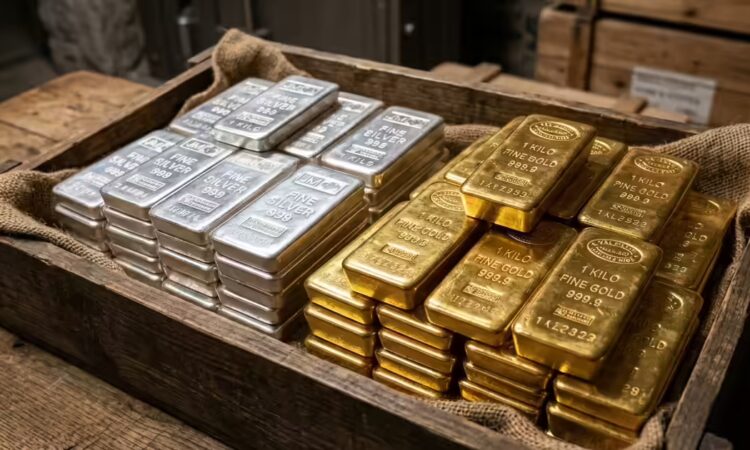
Gold rose on Tuesday but remains on track for its largest monthly fall in more than 17 years. Investors have moved toward the dollar as the preferred safe asset during the Middle East war. This shift has influenced precious metal prices.
Spot gold climbed 0.9 percent to $4,550.68 per ounce. U.S. gold futures for April delivery rose 0.5 percent to $4,580.70. Despite this rise, gold has declined more than 13 percent this month. This marks the steepest monthly drop since October 2008. Gold prices remain up about 5 percent for the quarter. Earlier this year, gold reached a record high of $5,594.82 on January 29. Current prices are now down 18.70 percent from that peak.
Why is gold price heading for biggest monthly drop in over 17 years?
Gold is usually seen as a hedge against inflation and geopolitical risk. However, rising energy prices caused by war have changed expectations. Higher oil prices have increased fears of inflation. This has pushed markets to expect higher interest rates.
Higher rates reduce the appeal of gold. Gold does not offer interest returns. When rates rise, investors move toward assets that provide yield. The dollar has also strengthened. It is heading for its biggest monthly gain since July. The U.S. position as an energy exporter has boosted the currency. Investors have also moved toward cash during the conflict. Markets had earlier expected two U.S. rate cuts this year. Now traders have almost removed expectations of any rate cuts. This shift has reduced demand for gold.

Will gold, silver and other precious metals continue to witness wild price movements?
Oil supply concerns continue to drive uncertainty. The Strait of Hormuz remains a key risk. If the route stays closed, oil prices may remain volatile. Higher oil prices can keep inflation concerns high.
Silver rose 2.7 percent to $71.89 per ounce. Platinum increased 1 percent to $1,917.49. Palladium gained 1.5 percent to $1,427. Despite these gains, all three metals have dropped about 20 percent this month. The combined impact of the dollar, oil, and rate expectations is causing strong price swings across the metals market.
Analysts insights and market outlook
Market analysts say traders still view gold as a value investment. Prices are lower compared with recent highs. Falling oil prices, a dip in the dollar, and buying interest supported Tuesday’s rise.
However, the strong oil story has not disappeared. Supply risks continue to influence markets. This keeps pressure on gold prices. Goldman Sachs expects gold to reach $5,400 per troy ounce by the end of 2026. The forecast is based on central bank diversification and expected Federal Reserve easing in the future.
What should investors do now?
Investors are facing uncertainty in precious metals. The dollar, interest rates, and geopolitical risks remain key drivers. Short-term volatility may continue as markets react to war developments and central bank policy signals. Long-term outlook depends on rate cuts and central bank buying. Diversification and risk management remain important strategies during volatile market conditions.
FAQs
Q1: Why has gold recorded its largest monthly decline since 2008?
Gold demand has weakened as investors moved to the dollar amid war-driven inflation fears and higher interest rate expectations. Rising yields reduced the appeal of non-yielding assets like gold.
Q2: Will precious metals remain volatile in the coming months?
Price swings may continue due to oil supply risks, central bank policies, interest rate outlook, and currency movements. Market uncertainty is likely to keep silver, platinum, and palladium fluctuating.