
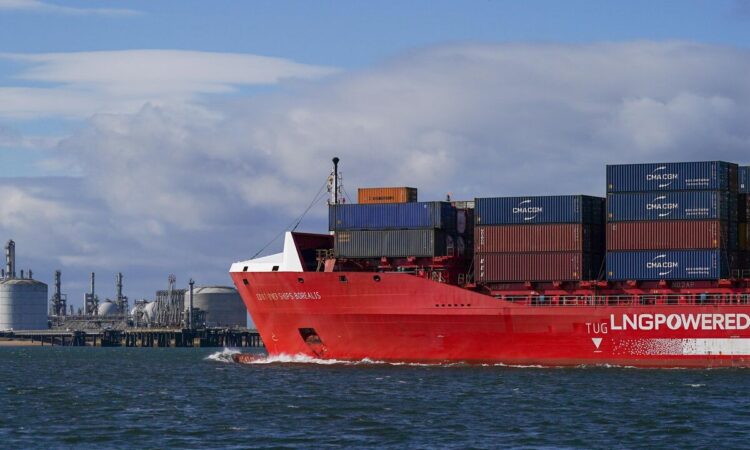
“THIS WILL bring down the economies of the world,” warned Saad al-Kaabi, Qatar’s energy minister, on March 6th. It was not hyperbole. Days earlier QatarEnergy, which makes a fifth of the world’s liquefied natural gas (LNG), shut down its production and export facilities after some were hit by Iranian strikes. Unable to extract, process and, because the Strait of Hormuz is blocked by the fighting, ship its LNG, the firm has declared force majeure on its contracts. The price of LNG has ballooned on world markets. Customers around the globe, who use it to generate electricity, heat homes and make things like fertiliser, are scrambling to respond.
Exactly how far down the Qatari pause will bring economies hinges on the answers to four tough questions. How long will it last? How quickly can shipments resume in full once it ends? Can countries live off existing reserves until then? And how much of the gap can be plugged by LNG from elsewhere?


