
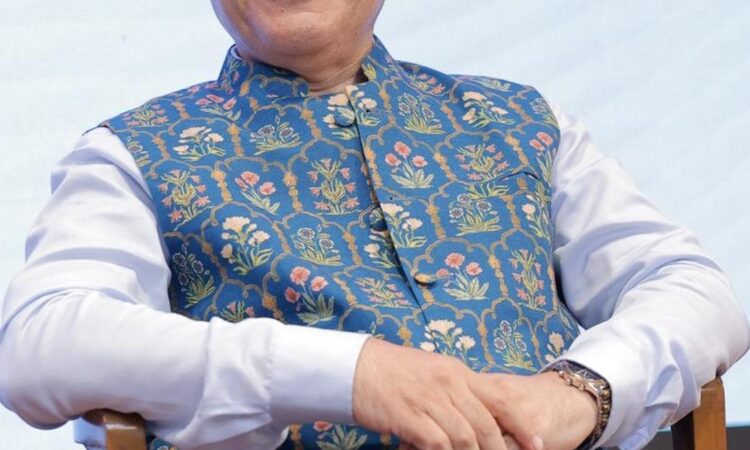

Arun Raste, Managing Director & CEO, NCDEX
Budget 2026 stays the course on growth while signalling fiscal prudency. The measured increase in STT on futures and options reflects a clear intent to curb speculation, fostering a more stable market and encouraging sustainable participation from long-term retail and institutional investors. However, higher trading costs may discourage new participants and could impact market liquidity in the near term.
Agriculture and the rural economy has received strong structural support. The allocation of ₹1.63 lakh crore to agriculture—up 7 per cent over last year’s revised estimates—reinforces the government’s commitment to farm income resilience. Continued support for PM-Kisan, crop insurance under the Pradhan Mantri Fasal Bima Yojana and investments in irrigation, storage and post-harvest infrastructure provide a stable foundation for the sector. This is complemented by a sharp rise in rural employment and livelihood spending, with allocations under Viksit Bharat–Guarantee for Rozgar and Ajeevika Mission (Gramin) reaching ₹95,692 crore, including ₹30,000 crore for MGNREGA.
The policy direction in agriculture is shifting from volume to value. The emphasis on high-value crops, allied sectors and AI-enabled platforms such as Bharat Vistar reflects an intent to enhance productivity, diversify incomes and improve delivery efficiency. Importantly for agri-commodity markets, this approach avoids shocks from sudden MSP or fertilizer subsidy changes, instead prioritising income stability and market-oriented reforms.
Policy shift
Several commodities stand to benefit from this shift. Maize, India’s third-largest agricultural commodity, stands out as poultry, dairy and livestock entrepreneurship receive a boost through credit-linked subsidy programmes. Expansion of integrated livestock value chains is likely to raise institutional feed demand, supporting maize, soymeal and oilseed cakes. Similarly, the focus on spices and export-oriented high-value crops should improve export realisations and strengthen price discovery for farmers. Fisheries also gain momentum. Incentives for fish FPOs, along with investments in cold-chain infrastructure, processing and exports, position fisheries as a strong source of rural employment. Over time, this can also become an important export growth segment.
Women’s economic participation gets a policy push. Initiatives such as She-Mart can make it easier for women entrepreneurs to access formal loans and financial products, even without strong collateral or credit history. This would give tremendous boost to women to grow from small businesses to stable enterprises, creating jobs and increasing women’s role in the formal economy.
The broader growth strategy remains investment-led. Continued emphasis on capital expenditure, manufacturing, services and infrastructure creates visibility for a revival in private investment. This is particularly important for MSMEs, tourism and export-oriented sectors. Markets generally value this long-term approach more than short-term stimulus. The focus on skills and employability ensures that growth translates into livelihoods, not just higher output numbers.
Commodity markets also gain relevance under this framework. Stable farm incomes and diversified production increase the need for effective price risk management. Clear and consistent taxation and regulatory policies for commodity derivatives will be crucial. This can deepen farmer and FPO participation, improve hedging efficiency and attract long-term institutional capital.
If implemented well, these measures can strengthen commodity markets beyond mere price indicators. They can evolve into effective platforms for risk management and capital allocation. This supports resilient agriculture, stable supply chains and sustainable, employment-led economic growth.
Published on February 2, 2026


