SINGAPORE – Platinum and palladium are poised for further gains amid a rally in precious metals driven by geopolitical uncertainties and the prospect of more US interest rate cuts .
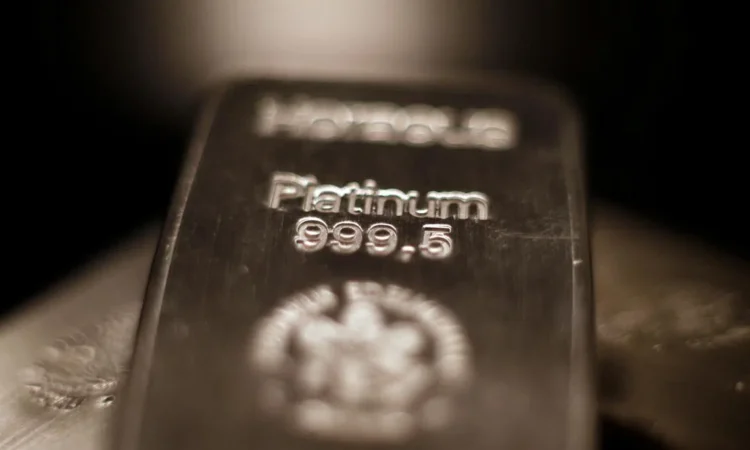
Platinum has made strong gains in January, with prices up nearly 20 per cent. Spot platinum stood at around US$2,460 an ounce at 11am on Jan 21, shortly after touching a record high of US$2,511. The price rises come amid supply concerns and rising demand from jewellers seeking cheaper alternatives as gold and silver prices climbed.
Meanwhile, spot palladium has gained more than 15 per cent so far this year and was trading around US$1,830 per ounce on Jan 21.
Palladium prices have risen more than 90 per cent over the past 12 months, while platinum has surged nearly 160 per cent over the same period, both outpacing gold’s 76 per cent gain.
Platinum and palladium, both part of the platinum group metals (PGM), have benefited from spillover effects from gold’s rally but are also gaining ground on their own merits, supported by their scarcity and widespread use in industrial applications.
Analysts expect platinum prices to reach around US$2,800 per ounce in 2026, while palladium could hit US$1,900.
Mr William Adams, Fastmarkets’ head of base metals and battery research, said that resistance to electric vehicles in favour of petrol and diesel cars, which run on internal combustion engines (ICE), particularly in the United States, could keep demand for PGMs stronger for longer.
Europe’s review of its planned ban on ICE vehicles, as well as the growing popularity of plug-in hybrid models that combine an engine with an electric motor, could also continue to support demand for PGMs, as they are widely used in automotive catalysts, he added.
Auto catalysts use metals such as platinum and palladium to reduce harmful exhaust gases, including carbon monoxide, before they are released into the air.
Mr Adams also noted that as gold prices climbed, investors began looking for alternatives, particularly other precious metals that could act as proxies for gold, prompting silver and PGM prices to surge.
“Platinum’s price discount to gold means it has started to gain market share in the jewellery sector,” he said.
“But while these proxies (platinum and palladium) do offer some protection against inflation and geopolitical risk, the one area the PGMs do not provide as much cover as gold is demand from central banks as they seek to diversify away from the US dollar.”
Investors can gain exposure to platinum and palladium by buying physical bullion from dealers, though premiums can be steep, at about 30 per cent per ounce for palladium and around 18 per cent for platinum.
Alternatives include US-listed exchange-traded funds and mining stocks linked to the metals, which are available to investors in Singapore through online brokerage accounts.
The Straits Times understands that there are currently no products on the Singapore Exchange that offer direct exposure to platinum or palladium.
OCBC foreign exchange strategist Christopher Wong noted that the recent rally in platinum and palladium has been driven mainly by persistent supply deficits in key producing countries such as South Africa and Russia, alongside a recovery in industrial demand and some spillover from the gold and silver rally.
“Mine supply has been tight due to years of underinvestment, power issues in South Africa and sanctions-related constraints in Russia, leaving platinum still in deficit,” he said.
South Africa accounts for more than 70 per cent of global platinum output, followed by Russia at about 10 per cent. But electricity outages and ageing transport infrastructure in South Africa, alongside closer scrutiny of Russian supply amid international sanctions, could further tighten the supply of platinum.
Mr Wong said that palladium demand is improving from the automotive sector, but platinum is benefiting from a more diversified base – automotive demand, industrial uses, jewellery and investment – at a time when supply is constrained.
“In that context, platinum looks better supported due to its deficit profile, while palladium has near-term support but could face substitution risk if prices overshoot,” he said.
Mr Alex Ho, sales trader at CMC Markets Singapore, cautioned that platinum and palladium only offer protection against inflation and political risks in some cases.
“Platinum’s supply issues and growing use in industry can help protect investments when inflation boosts spending and green energy growth, but its use in industry also makes it less reliable if demand falls,” he said.
“Palladium, mainly used in cars, is a weak hedge – it dropped 60 per cent during the 2008 crisis when car production fell sharply.”
Mr Ho said that for protection against geopolitical risks, platinum and palladium offer “tactical exposure” during acute crises but carry their own geographic risks.
“For example, investors hedging Iran tensions by accumulating platinum are simultaneously concentrating exposure to South African instability – this is a two-way proposition that shouldn’t be mixed up with gold’s purer safe-haven characteristics,” he said.
Precious metals have benefited from a broader rush into commodities in recent weeks amid renewed tensions between the Trump administration and the US Federal Reserve.
Heightened geopolitical risks, including US President Donald Trump’s capture of Venezuela’s leader, his renewed threats to annex Greenland, and violent protests in Iran that could lead to a toppling of the Islamic regime there, have also supported safe-haven demand.
Gold rose above US$4,800 for the first time on Jan 21, while silver peaked at around US$95 on Jan 20.