TMC The Metals Company (TMC 4.49%) offers a novel solution to a big problem: how to get all the metals necessary to make batteries for electric cars.
Battery metals, like nickel and cobalt, typically come from land-intensive mines that destroy natural habitats and exploit workers. TMC, however, wants to flip the script: Instead of getting these mines from the land, it wants to take them from polymetallic rocks on the deep ocean floor.
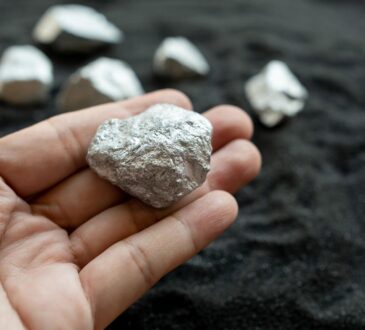
Trillions of these potato-sized rocks — also called nodules — are siting on the seabed, and TMC has rights to harvest a huge chunk of them. In fact, according to TMC’s estimates, the company may have enough nickel, cobalt, copper, and manganese under its control to power 280 million electric vehicles.
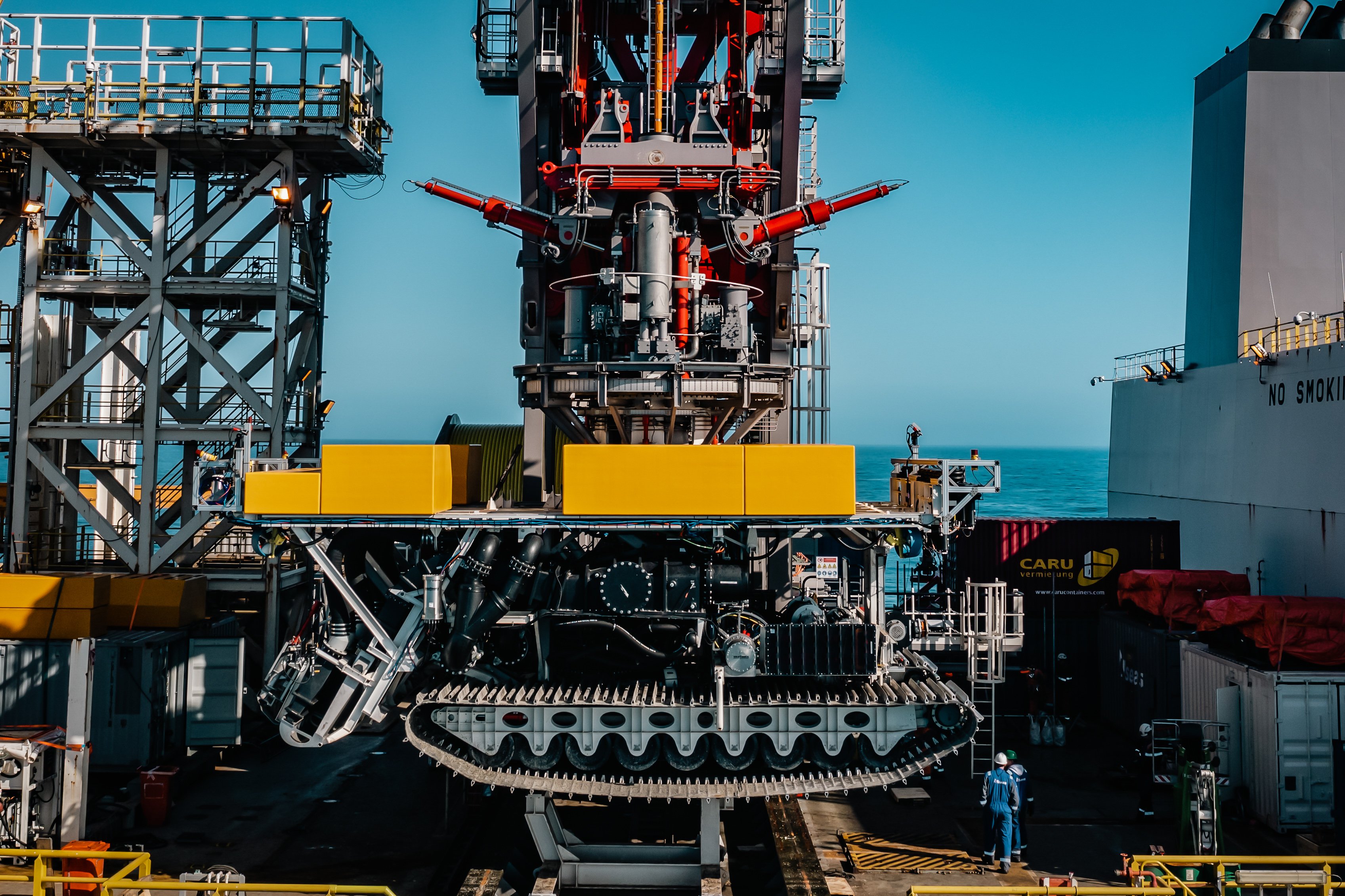
Image source: TMC The Metals Company.
That’s the big picture. The narrower one of today involves a regulatory process that TMC hasn’t surpassed, and a potential international conflict with the path it has chosen to surpass it. However, a recent development in that regulatory process could ignite a rally soon — or at least before it reports earnings on March 26.
The race to mine the seafloor
It’s hard to overstate the opportunity in front of TMC: It could quite literally become the cornerstone supplier of a clean energy age, one in which its metals form the critical backbone of battery technology.

Today’s Change
(-4.49%) $-0.28
Current Price
$5.96
Key Data Points
Market Cap
$2.5B
Day’s Range
$5.85 – $6.38
52wk Range
$1.57 – $11.35
Volume
122K
Avg Vol
8.1M
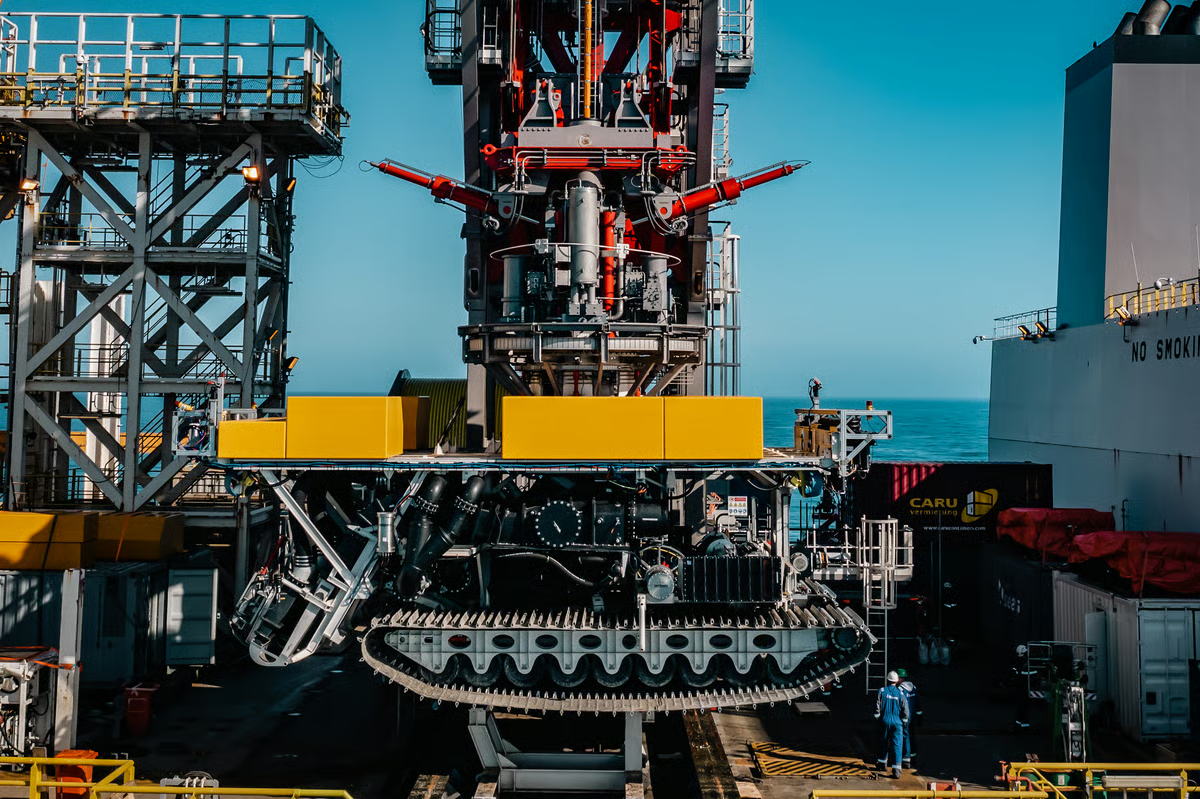
TMC’s estimates show that it could have tens of billions of dollars worth of metals under its control, and the company has already demonstrated that its means of harvesting — using robotic vacuuming — works.
That said, the company faces two problems: the first regulatory, the second environmental.
The second directly influences the first: We simply don’t know the scale of damage that deep-sea mining could have on the ocean’s ecosystems. Indeed, we don’t know enough about the deep sea to anticipate the consequences. Taking nodules could disturb seafloor sediments that could also kill or harm microorganisms, which could then affect larger organisms, like fish.
True, traditional land mining also causes damage, but if TMC is positioning itself as a supplier of clean energy materials, damaging ecosystems could be a PR nightmare.
That destructive potential is one reason the regulatory process has been so slow. The International Seabed Authority (ISA), the governing body over the deep sea, doesn’t want to finalize a rulebook for mining nodules until it’s confident the ecological effect will be minimal. It’s not confident yet.
TMC is finding another way
TMC, however, is currently working around that lack of confidence through the U.S. government. The U.S. never ratified the treaty that created the ISA, which means it can explore its own rules for mining the deep sea. The Trump administration has prioritized the fast-tracking of deep-sea mining applications, and recently, the National Oceanic and Atmospheric Administration (NOAA) determined that TMC’s exploration and commercial application was in compliance.
That NOAA determination marks a huge milestone for TMC. Although it’s still unclear when commercial operations could start, the U.S.’s new streamlined application process removes a major headwind that had prevented TMC from even moving forward.
TMC stock has dipped below recent 52-week highs. But this news, coupled with the U.S.’s need for critical metals, makes it a buy before it reports earnings at the end of March.