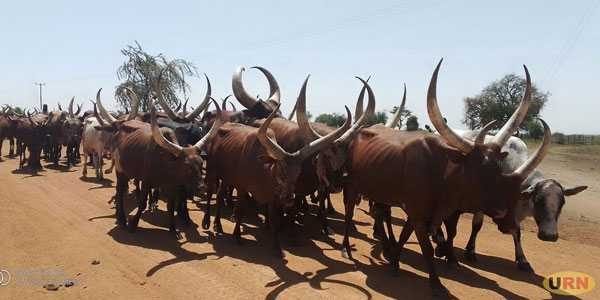
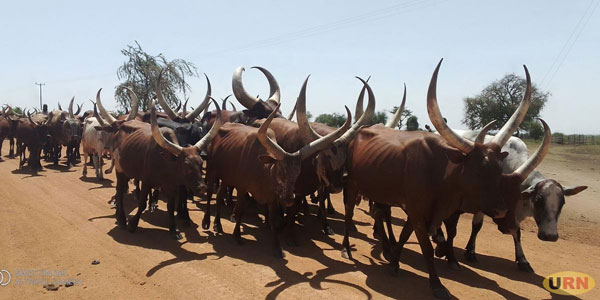
Soroti, Uganda | THE INDEPENDENT | For generations, cattle were central to life in Teso, shaping livelihoods, culture, and social status. Soroti once hosted a thriving meat-packing factory, reflecting the region’s strength as a livestock hub in eastern Uganda.
But years of cattle raids and insurgency decimated herds and left infrastructure in ruins. Now, a government-led revival is underway.
The National Agricultural Research Organisation (NARO) has launched an ambitious livestock program at its National Semi-Arid Resources Research Institute (NaSARRI) in Serere District, under the Uganda Climate-Smart Agricultural Transformation Project (UCSATP) led by the Ministry of Agriculture, Animal Industry and Fisheries (MAAIF). The program aims to restore Teso’s herds, strengthen climate resilience, and revive the region’s livestock economy.
“Serere has historically been a hub for animal genetics and production,” says Dr Brian Babigumira, Senior Research Scientist at NaSARRI.
“Our goal is to provide quality breeding stock and bring cattle back to the sub-region.”
The first phase will introduce 230 cattle, including the Indigenous Zebu, Boran, and Sahiwal breeds suited to semi-arid conditions. Jersey and Brahman breeds will follow, bringing the herd to about 330 breeding animals. Infrastructure upgrades accompany restocking.
Heavy machinery is opening land for pasture, while paddocks, fencing, water systems, and firebreaks are being constructed.
A rotational grazing system, combining grasses and legumes such as Brachiaria and Desmodium, will improve feed quality, soil fertility, and land productivity.
Key facilities are also being rehabilitated. A feedlot, meat evaluation unit, sprayraces, and dip tanks will be restored, while a new dairy unit is planned. Seed production fields spanning 55 acres of Chloris pasture and 10 acres of legumes will ensure farmers have access to quality feed during dry seasons.
Dr Kalule Okello David, NaSARRI’s Director of Research, emphasises staff welfare, with housing upgrades planned to support high-quality research and extension services.
The initiative reflects a broader vision: restore cattle to Teso’s economy and culture, rebuild value chains once linked to meat processing, and equip farmers with science-backed solutions to secure livelihoods. Soon, the iconic sound of cattle bells could echo across Teso’s plains once again.
***
URN