Anthony Milewski is the founder of The Oregon Group and an influential figure in the mining, metals and energy industries.

Over the past several years, tokenization has transformed from a niche technological experiment into a major development in global finance.
While much of the conversation has centered on retail investors, fractional ownership and new markets for hard assets like gold, I believe the next—and arguably far more consequential—chapter is unfolding inside corporate finance departments.
I see the corporate treasury, traditionally one of the most conservative functions inside any company, as on the brink of a structural shift. As tokenized commodities and real assets become widely available through regulated digital rails, treasurers seem poised to begin holding these assets directly—just as they hold cash, currency hedges and short-term securities today.
The infrastructure for this is already being built, making the incentives for corporations to adopt tokenized assets clear.
The Treasury Problem Nobody Wants To Discuss
Corporate treasuries face a problem that has quietly been growing for years: The global economy is becoming more volatile while traditional hedging tools have not evolved to match the speed of modern commerce.
Currently, commodity markets operate with high friction. Settlement can be slow, and access fragmented. Hedging often requires layers of intermediaries. And custody, especially cross-border, adds political and counterparty risk.
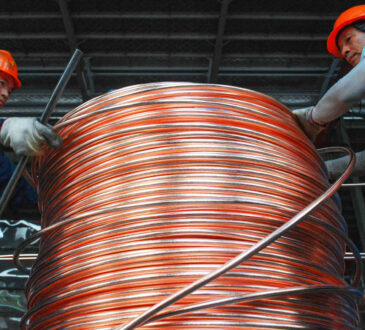
For example, a multinational manufacturer might have physical copper inventory in many different jurisdictions. A utility might manage long-term uranium exposure matched to reactor cycles. A food producer may need reliable access to energy, fertilizers or carbon credits. Yet the ability to own, hedge or finance these exposures directly in real time remains deeply constrained.
Tokenized commodities offer a potential solution: digitally native, immediately transferable, fully auditable assets that can move as easily as fiat currency in a digital wallet. For treasurers facing geopolitical uncertainty, liquidity bottlenecks and rising working-capital requirements, it can be an interesting and strategically important avenue.
How Tokenized Assets Compare To Traditional Solutions For Treasurers
Treasury departments don’t change their tools very often. For tokenized commodities to show up on a corporate balance sheet, they have to bring clear benefits.
Real-Time Liquidity Without Altering Physical Supply Chains
A tokenized bar of gold or a tokenized metric ton of copper does not have to move physically. The ownership does. Treasurers can then buy and sell instantly, mint tokens against collateral and transfer exposure across their subsidiaries worldwide.
Lesser Counterparty And Jurisdictional Risk
Traditional commodity custody often involves geopolitical complexity. A tokenized gold bar held in a vault in Singapore or Toronto is auditable on-chain and easily transferable. In a world where sanctions, capital controls and regional tensions continue to rise, tokenized exposure can provide a form of jurisdictional diversification.
Transparency And Auditability
Blockchain-based custody provides immutable proof of ownership, real-time tracking and automated compliance reporting. This could give them a significant edge in treasuries navigating tighter ESG disclosures, carbon accounting rules and scrutiny by regulators and investors.
Fractionalization Enables Precision Hedging
Treasurers can match tokenized commodity exposure to operational needs with precision. Rather than having to commit to 5,000-ton contracts, a company might buy tokenized copper in installments that reflect actual monthly production runs.
More Efficient Use Of Idle Cash
Today, many corporations park cash in near-zero-yield instruments and short-duration securities. Tokenized treasuries can allow companies to hold tokenized gold, carbon credits and even supply chain inputs such as nickel or uranium.
Potential Risks
However, there are significant risks to consider in adopting tokenized assets. For example, there is still regulatory uncertainty in this space, and corporations may face technological challenges to adoption. Additionally, tokenized assets may not prove viable for all situations and industries.
Preparing For The Shift
If tokenized commodities become common treasury assets, the implications are huge. Here is what this shift could look like:
Commodities Become Globally Liquid Treasury Instruments
Commodity markets are today fragmented across exchanges, custodians, banks and bilateral contracts. Tokenization collapses these layers into one digital rail. This could help trading activity increase, the gap between buying and selling prices tighten and make off-exchange deals more visible.
In other words, the digital commodity market begins to resemble the foreign-exchange market—and treasurers should start interacting with it similarly.
Corporate Balance Sheets Begin To Look Different
Tokenized assets could sit alongside cash, treasures, commercial paper, etc. The result could be a more diversified and less inflation-sensitive treasury structure.
Imagine a tech company holding tokenized uranium as part of its long-term energy strategy, or an airline holding tokenized carbon credits rather than scrambling in volatile spot markets. This is where I believe treasury strategy is headed.
Corporate Hedging Becomes A 24/7 Activity
With tokenized assets trading globally and around the clock, hedging and risk management would no longer be limited by exchange hours or market access. For instance, companies can adjust their exposure dynamically as conditions change.
Institutional infrastructure is taking shape, and the shift is supported by many systems: regulated tokenization platforms across the U.S., EU, UAE, Singapore and Switzerland; major banks building tokenized settlement networks; exchanges preparing tokenized commodity markets; and the introduction of new accounting standards.
A New Era In Corporate Finance
Tokenization is often framed as a retail trend, something designed for individuals buying fractional gold or micro-shares. But I see the true engine of adoption as the corporate treasury.
I believe the ability to hold tokenized commodities directly, with instant settlement, full transparency and global liquidity is looking to reshape how businesses operate and manage risk, helping to redefine hedging, cash management, supply-chain resilience and working capital requirements.
In the same way that treasury desks have incorporated FX swaps, derivatives, and structured products over the past 40 years, I believe they will soon incorporate tokenized commodities.
The information provided here is not investment, tax, or financial advice. You should consult with a licensed professional for advice concerning your specific situation.
Forbes Business Council is the foremost growth and networking organization for business owners and leaders. Do I qualify?