Key Takeaways
- Coffee is the healthier choice for your daily caffeine, as energy drinks often contain high amounts of caffeine and added sugar.
- Consuming high amounts of energy drinks can pose health risks.
- Children, teens, and adults are especially at risk from consuming energy drinks.
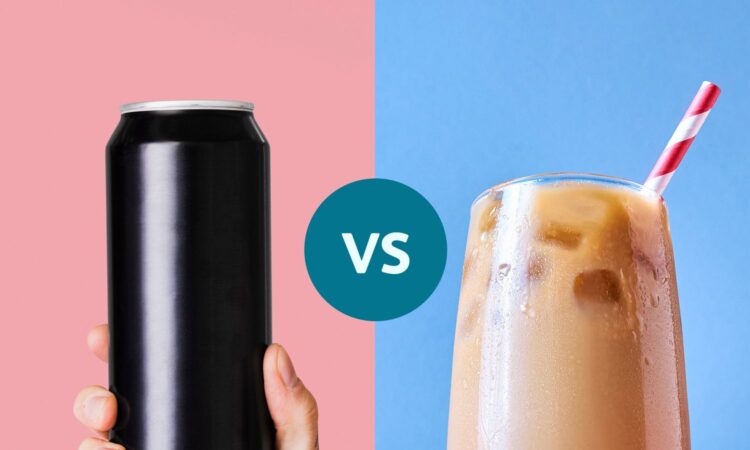
Coffee is a natural source of caffeine with health benefits, while energy drinks have become popular for a quick boost but may carry risks, especially for kids and teens. Coffee is the healthier choice for daily caffeine.
Energy Drinks Offer More Caffeine
The caffeine content of coffee and energy drinks varies by type and brand. Energy drinks generally contain more caffeine per serving.
Canned coffee drinks often have the amount of caffeine listed on the can. The caffeine in coffee can be harder to determine if you’re making the coffee yourself or ordering it from a coffee shop. Factors that affect the caffeine content of coffee include:
- Type of coffee beans
- Roast level (light roast has more caffeine than dark roast)
- Brewing method
Energy drinks vary widely in the amount of caffeine they contain, depending on the brand and can size. Some energy drinks contain additional sources of caffeine, such as guarana, thereby increasing their caffeine content.
| Coffee | Energy Drinks |
| 6 oz. instant coffee prepared with water: 46 milligrams (mg) | Rockstar: 158 mg |
| 6 oz brewed coffee: 71 mg | Red Bull: 75 mg |
| 1 oz espresso: 64 mg | |
Energy Drinks Usually Contain More Sugar
Plain, black coffee doesn’t contain sugar. Sugar in coffee drinks comes from added syrups, sugar packets, or sweetened creamers. Milk can also add sugar to coffee, but usually only in small amounts—unless it is sweetened.
Energy drinks, on the other hand, often contain a lot of added sugar unless they are purposefully low-sugar or sugar-free. One 8-oz can of Red Bull has 26 grams (g) of sugar, and one can of Rockstar contains 59 g of sugar. Many energy drink brands offer low-sugar or sugar-free versions of their products.
Energy Drinks Offer More of an Energy Boost
Thanks to their caffeine content, both coffee and energy drinks provide a perceived energy boost. Studies show that the high caffeine content of energy drinks increases alertness, memory, and mood. The sugar content of energy drinks may provide an additional (albeit short-term) energy boost.
However, coffee may be better for sustained energy because drinkers sip it slowly.
Coffee is the Healthier Option
Plain coffee is a natural drink made of coffee beans and water. On the other hand, energy drinks are manufactured products to provide caffeine and often have additional ingredients, such as sugar, B vitamins, taurine, ginseng, and carnitine.
Although plain coffee contains fewer ingredients, buying or preparing sweetened or specialty coffee drinks can quickly add to the list, including sugar, milk/cream, syrups, and other flavoring agents.
Coffee vs. Energy Drink Nutrition
The table below compares an 8-ounce serving of black coffee to the same-sized serving of an energy drink.
| Nutrient | Black Coffee | Energy Drink |
| Calories | 2 kcal | 110-160 kcal |
| Caffeine | 80-100 mg | 70-160 mg |
| Sugar | 0 g | 24-37 g |
| Carbohydrates | 0 g | 28-40 g |
| Protein | 0.3 g | 1-2 g |
| Fats | 0 g | 0 g |
| B Vitamins | Minimal | High (B3, B6, B12) |
| Antioxidants | High | Low to moderate |
| Artificial Additives | None | Often present |
Side Effects and Risks
For most adults, about 400 mg of caffeine a day generally doesn’t lead to negative effects. However, how much caffeine is tolerable can vary, and some people may be more sensitive to it than others.
Signs of having had too much caffeine include:
Mixing alcohol with energy drinks is a common and significant problem. Alcoholic beverages that contain energy drinks can lead to adverse health effects such as high blood pressure, dehydration, and irregular heartbeat, as well as increased risk of binge drinking, alcohol-impaired driving, injury, and unwanted or unprotected sex.
Risks for Children and Teens
Energy drink safety has been questioned for several years, especially for children and teens. Negative health associated with high caffeine intake and energy drink consumption includes:
- Serious cardiovascular problems, including heart attacks, in teenage boys
- Negative neurological and psychological effects, such as daily headaches
- Gastrointestinal and metabolic problems from the high sugar content
- Dehydration
- Dental erosion
:max_bytes(150000):strip_icc():format(webp)/DSCF6173-38484f8bf31d4edab31a527348b734b0.JPG)