Stock valuations remain elevated and political uncertainty is rising, but earnings growth and productivity gains are helping support equities heading into 2026.
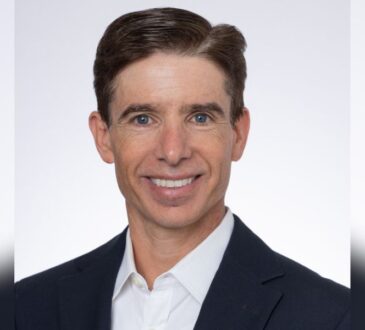
BNN Bloomberg spoke with Ryan Belanger, founder of Claro Advisors, about why he remains bullish on stocks, how AI-driven productivity is shaping profits, and why diversification remains critical amid political and geopolitical noise.
Key Takeaways
- Earnings growth remains a key driver for equities, even as valuations stay elevated and discounts are scarce.
- Productivity gains from AI are improving corporate efficiency and profits, though they are creating near-term labour disruption.
- U.S. midterm election years have historically been choppier, but that volatility has not derailed longer-term equity returns.
- Non-recessionary rate cuts by the Federal Reserve have historically supported double-digit equity gains in the following year.
- Broad diversification across regions and market capitalizations is proving increasingly important as leadership shifts.

Read the full transcript below:
ANDREW: Our guest says stock valuations are high and discounts are hard to find, but earnings growth remains real despite the noise, and he is bullish on stocks for 2026. We are joined by Ryan Belanger, founder of Claro Advisors. Ryan, always great to see you. Thanks very much for joining us.
RYAN: Good morning.
ANDREW: Let’s start with the U.S. You often hear that valuations are stretched, but profit growth has historically been a fundamental driver for stocks. Do you think that remains intact?
RYAN: I really do. I think we are in a new era driven by productivity gains across the board. In most industries, people are becoming significantly more productive, which allows companies to operate more efficiently and earn higher profits. It is not true for every company or every industry, but many will benefit from the development of AI technology, and we think that will continue to support profit growth.
ANDREW: But you also note that some jobs will disappear.
RYAN: Definitely. If you look back over decades of innovation, jobs that were once common have been automated. Historically, those workers found new roles, learned new skills and adapted to maintaining and upgrading new technologies. That is how these cycles tend to work. The environment is soft right now, but people who invest in new skills and learn how to work alongside this technology should continue to find opportunities.
ANDREW: You say one headwind could be the U.S. midterm elections this year, which are often choppy periods.
RYAN: Historically, that is true. There is a lot of political infighting, and it can be difficult to see a clear vision. People are distracted by campaigns rather than focusing on broader priorities. That natural distraction tends to take some attention away from fundamentals.
ANDREW: Turning to the Federal Reserve, even though a cut is not expected this month, rates have already been reduced. You say when the Fed cuts outside of a recession, markets often respond well.
RYAN: That is something we have talked about for a long time. We call it a non-recessionary rate cut. So far, we have not seen a recession, and historically that environment has been followed by double-digit equity returns in the following year. If you look at longer-term trends, strong starts to the year and positive Januaries tend to improve the odds of positive annual returns. Based on those trends, the start to this year supports a constructive outlook for investors.
ANDREW: Canadian stocks hit a record high today. Are you seeing opportunities here?
RYAN: Yes, I think so. There is a lot happening across sectors like energy and mining, and that reinforces the importance of broad diversification. Small- and mid-cap stocks are outperforming large caps this year, which is a reversal from recent history. Investors who abandoned those areas would be regretting it now. We generally maintain a broad asset allocation so clients are exposed to different parts of the market.
ANDREW: TD Bank shares hit a record this week. Would you buy it with new money?
RYAN: We tend to avoid single stocks and prefer ETFs and funds. That said, if a client wanted direct exposure, banks in general are relatively stable, and TD would be a reasonable holding.
ANDREW: Finally, there is a lot of geopolitical turmoil, from U.S. President Donald Trump’s rhetoric to tensions involving Venezuela. Is that a threat to stocks?
RYAN: We view those developments as geopolitical risks and distractions. History is full of them. If you zoom out on a long-term S&P 500 chart, you will see countless examples. Over time, equity investors have been rewarded for staying invested. If geopolitical events create short-term weakness, investors with the right time horizon and risk tolerance should consider those periods as potential opportunities.
ANDREW: Ryan, thanks very much.
RYAN: Thank you.
ANDREW: Ryan Belanger, founder of Claro Advisors.
—
This BNN Bloomberg summary and transcript of the Jan. 9, 2026 interview with Ryan Belanger are published with the assistance of AI. Original research, interview questions and added context was created by BNN Bloomberg journalists. An editor also reviewed this material before it was published to ensure its accuracy and adherence with BNN Bloomberg editorial policies and standards.