Unlock the Editor’s Digest for free
Roula Khalaf, Editor of the FT, selects her favourite stories in this weekly newsletter.
Meat exports from east Africa to the Gulf have collapsed as the US-Israeli war on Iran disrupts transport and drives up shipping costs, dealing a blow to pastoral economies during their peak Ramadan trading period.
Kenya, which is a big exporter of meat from the region, has seen shipments to the Middle East fall to as little as 5 per cent of normal levels at Ramadan, according to the country’s Meat and Livestock Exporters Industry Council. About 40-60 per cent of that goes to the United Arab Emirates — meaning even shortlived disruptions quickly reverberate.
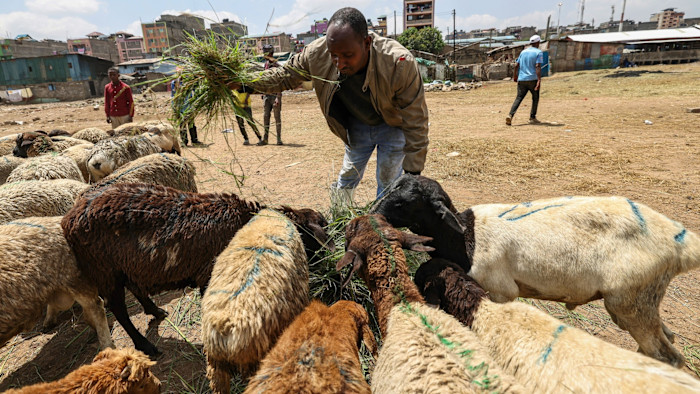
“There are no planes to carry the cargo,” said Abdirahman Abdi, co-owner of livestock exporter Najib. “Livestock exports have also been affected as there is excess supply in the market and no ready off-takers.”
Meat is mostly transported by air cargo, which has been severely disrupted. Livestock exports that usually go to the Gulf via the Strait of Hormuz — like some Kenyan meat shipments that use ports such as Dubai’s Jebel Ali — have been redirected due to Iran’s effective closure of the strait. Passage via the Red Sea is also being disrupted by fears of Houthi attacks.
Abdi, who is based in Nairobi, said shipping costs for his sheep exports from Mombasa in Kenya to Oman were set to rise from about $1,000 per tonne to as much as $2,200 next month as a result of the conflict.
Demand rises for the Islamic festival of Eid al-Fitr but peaks for Eid al-Adha or “feast of sacrifice”, which falls in late May this year. That provides a critical source of income for herders across the Horn of Africa.

At Kenya’s Mombasa port, consignments of goat and cattle meat have been left stranded, unable to reach important Gulf destinations, even as demand for livestock remains strong, according to reports in Kenyan media.
The disruption is rippling through supply chains, from exporters and abattoirs to livestock markets and farming communities. Meat that cannot be shipped abroad is being diverted into domestic markets, pushing down prices and squeezing the incomes of farmers.
The World Food Programme said the effect on farmers could be severe. “If you speak to people in Somalia now, they’re getting worried about the export of livestock to the Arabian Peninsula,” said Jean-Martin Bauer, director of the WFP’s food security and nutrition analysis service. “That’s quite a bit of money that’s on the table for herders in that part of the world.”
Somali livestock exports go mainly to Saudi Arabia and early information suggests that these have continued, according to the International Fund for Agricultural Development, “but at lower volumes than last year, as higher insurance, logistics and risk costs erode margins along the value chain”.
The shock comes as parts of the region grapple with drought, when livestock sales are a crucial coping mechanism for households. Even modest declines in export volumes or prices can have outsized effects on incomes, said the UN agency.
Unlike crops, livestock cannot be stored indefinitely. Prolonged disruption risks forcing distress sales and could permanently reduce herd sizes, undermining long-term resilience.
Exporters warn that even if routes reopen, the damage might persist.
“When things get back to normal you still need these people,” said Abdi. “It’s very bad for farmers and will have an effect on the economy.”
With transport costs expected to remain elevated over the coming months, the recovery of trade — and of pastoral incomes — will depend on how quickly stability returns to one of the world’s most important food trade corridors.
Cartography by Cleve Jones